


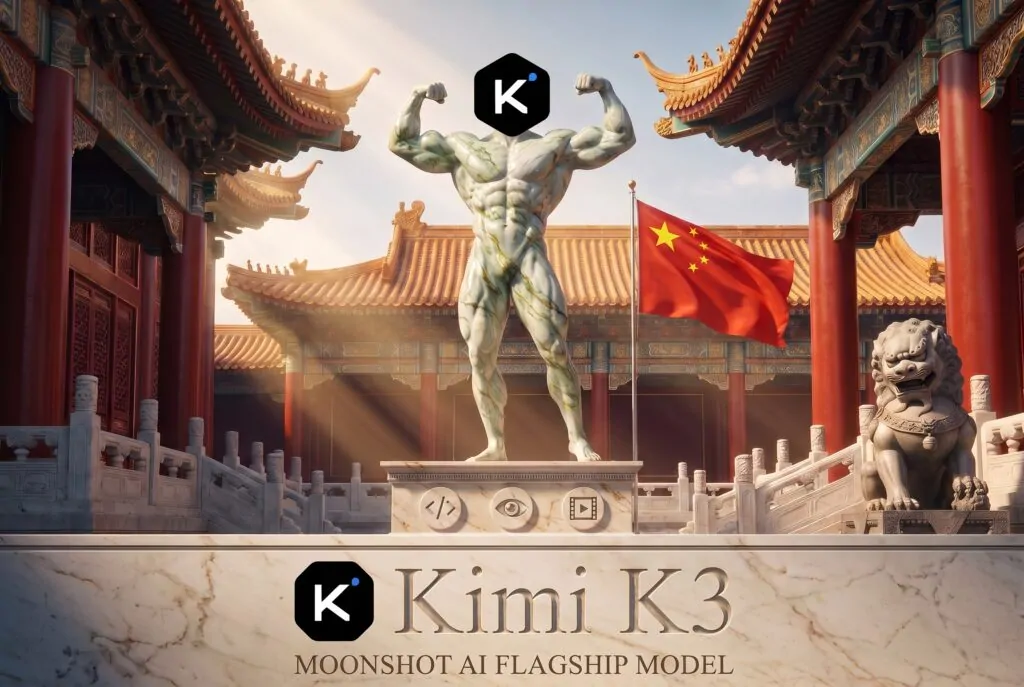
The Trump administration is reviving its effort to curb leading Chinese AI models in the United States, citing cybersecurity concerns, according to an Axios report published on July 20, 2026. The renewed push follows the release of Kimi K3, a powerful open-weight model developed by Chinese startup Moonshot AI, and arrives amid growing adoption of Chinese models such as DeepSeek by American companies.
The administration’s stated concern is cybersecurity, but critics argue that restricting open-weight Chinese models would limit competition and consolidate the AI market around a small number of U.S. labs. At the same time, open-weight models present enforcement challenges that may make an outright ban impractical.
What is being proposed?
Citing several sources close to the administration, Axios reported that the government had previously pursued several measures aimed at slowing the growth of Chinese AI in the U.S. market. These included:
- Adding Chinese AI labs, including DeepSeek, to the Department of Commerce’s Entity List, a trade blacklist maintained by the Bureau of Industry and Security (BIS) that limits foreign entities from purchasing sensitive American hardware, software, or technology.
- A joint advisory from the National Security Agency and the Office of the National Cyber Director discouraging the use of Chinese AI models.
- A draft executive order that would hold U.S. companies liable for security breaches involving hosted Chinese models.
According to Axios, these efforts were initially paused because of internal pushback over potential market impacts. They have been revived following the release of newer Chinese open-weight models such as Kimi K3.
Why are Chinese models gaining traction in the U.S.?
Chinese models like DeepSeek V4 and Kimi K3 are open-weight, meaning their trained model weights are published for public download. This allows enterprises to self-host the models on private infrastructure, keeping data in-house and reducing inference costs, two characteristics that have driven uptake by U.S. companies.
Chinese open-weight models also price their APIs well below comparable U.S. systems. DeepSeek-V4-Pro charges $0.87 per million output tokens, compared with $50 for Anthropic’s frontier Claude Fable 5 model. Coinbase CEO Brian Armstrong noted that the company runs models like GLM-5.2 and Kimi in production, cutting overall AI spending nearly in half even as token consumption increased.
Who is opposing the ban?
Critics of a potential ban include former White House adviser Sriram Krishnan and David Sacks, an outside White House AI adviser. Sacks wrote on X on Sunday: "We are at a critical inflection point in AI policy. The leading closed labs, already a duopoly in terms of AI model revenue, want the government to eliminate their open-source competition."
The Axios report suggests that OpenAI and Anthropic, the two U.S. labs that Sacks described as a duopoly, may be influencing the push for a ban, a claim the labs have not publicly addressed in the source material.
Why would a ban be hard to enforce?
Open-weight models exist as downloadable files that are mirrored across public repositories like Hugging Face and through independent torrents, making them difficult to recall once released. Once an American enterprise downloads the weights, it can run the model entirely offline inside a private, air-gapped data center, which limits regulators’ ability to monitor which model is running locally.
Modifications further complicate enforcement. Companies routinely fine-tune, quantize, or distill these models, blending the Chinese base with domestic corporate data until provenance blurs. Even under strict download bans, firms could host the models through subsidiaries, although that path runs into know-your-customer rules at cloud providers and the extraterritorial reach of U.S. export controls.
For individuals or small companies that simply want to use DeepSeek via the website or app despite a U.S. block, a VPN may suffice, though limited app availability and payment restrictions remain effective friction points.
What strategy is the administration pursuing instead?
According to Axios-cited government sources, the administration may not need an outright ban. Instead, the strategy appears to focus on getting U.S. firms to drop the models on their own through procurement rules, Entity List threats, and public pressure campaigns aimed at companies using Chinese AI. The sources said the government will also push to highlight potential backdoors and security gaps in Chinese models, along with the governance concerns those raise.
How does this fit into broader U.S.-China trade tensions?
Any restrictions would add to ongoing trade tensions between the U.S. and China that have extended into the AI industry. Washington previously placed export restrictions on critical computing hardware and equipment headed to China, later easing some of those limits. Beijing has since focused on developing domestic technologies and urging Chinese companies to use them. The Trump administration has also signaled its intent for the U.S. to dominate the AI race.
FAQ
Why is the Trump administration pushing to ban Chinese AI models?
According to an Axios report published July 20, 2026, the administration cites cybersecurity concerns. The push was revived after Moonshot AI released its Kimi K3 model and follows earlier paused efforts to add Chinese labs to the Entity List and issue joint cybersecurity advisories.
Why are Chinese open-weight AI models popular with U.S. companies?
Models like DeepSeek V4 and Kimi K3 allow enterprises to download weights and self-host on private infrastructure, keeping data in-house and reducing inference costs. Their APIs are priced well below comparable U.S. systems, with DeepSeek-V4-Pro charging $0.87 per million output tokens versus $50 for Anthropic’s Claude Fable 5.
Can a U.S. ban on open-weight Chinese AI models actually be enforced?
Enforcement is difficult because open-weight models are mirrored across public repositories like Hugging Face and can be run offline in air-gapped data centers. Companies can also fine-tune or distill the models, blurring their origin. Axios-cited sources suggest the administration may rely on procurement rules, Entity List threats, and public pressure rather than an outright download ban.
Related coverage
Want help with this in Myrtle Beach or Long Island? Talk to us.
NewSunSEO
Grow in Google and AI Search
AI-SEO, local search, paid ads and websites from one team, with offices on Long Island and in Myrtle Beach.
- AI-SEO
- Local AI-SEO
- AI Consulting
- PPC
- Web Design
- Web Development
- Long Island Office(631) 320-1700
- Myrtle Beach Office(843) 492-7131
Request a Free Proposal
Tell us about your business and where you want to grow.
We will reply by email to talk through your goals and what a proposal would include.
We use your details only to reply to you and send what you asked for. See our Privacy Policy.

